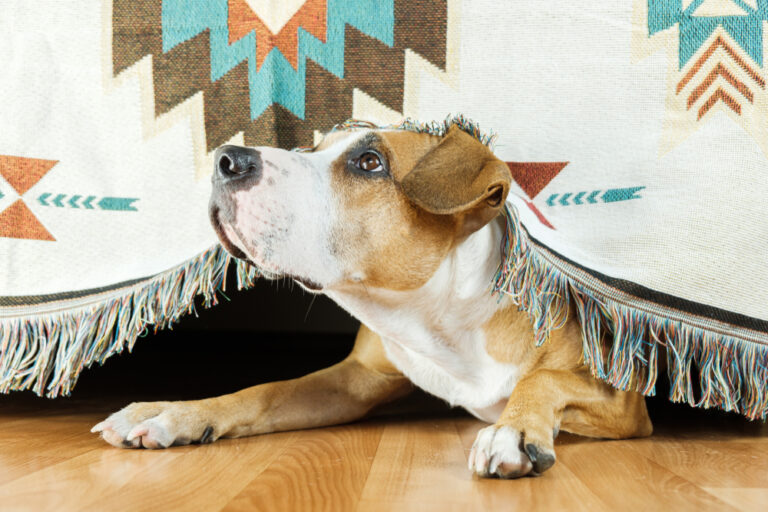

There is nothing easy about watching your dog struggle with constant itching, licking, scratching, or discomfort. As pet owners, we notice when something feels off. Maybe your dog seems restless at night, keeps chewing their paws, or cannot stop scratching the same spot day after day.
It is natural to worry when your furry companion is uncomfortable. Many pet parents spend weeks trying different shampoos, foods, or home remedies, hoping to find relief. The challenge is that allergies in dogs can show up in many different ways, and some signs are easy to overlook at first.
Recognizing the Symptoms Of Dog Allergies early can make a big difference in your dog’s comfort and overall well being. The sooner you understand what your dog is trying to tell you through their behavior, the sooner you can take steps to support their health.
Why Recognizing Symptoms Of Dog Allergies Early Matters
Many dog owners assume a little scratching is normal. While occasional scratching is expected, ongoing irritation can be a sign that your dog is dealing with allergies.
When allergy symptoms are ignored, dogs may experience ongoing discomfort that affects their skin, digestion, sleep, and daily happiness. They may become frustrated, restless, or less interested in activities they once enjoyed.
By learning the common Symptoms Of Allergies, you can identify problems earlier and help your dog feel more comfortable before the issue becomes more serious.
10 Common Symptoms Of Dog Allergies Every Pet Owner Should Know
1. Constant Scratching
One of the most common Symptoms is frequent scratching.
If your dog constantly scratches their neck, ears, belly, or sides, it may be more than a simple itch. Allergens can trigger skin irritation that makes dogs feel uncomfortable throughout the day.
Watching your dog scratch over and over again can be difficult because you know they are trying to find relief but cannot tell you exactly what is wrong.
2. Excessive Licking
Dogs often lick areas that feel irritated or uncomfortable.
You may notice your dog repeatedly licking their legs, paws, or stomach. While occasional licking is normal, excessive licking may indicate an allergy related issue.
Over time, constant licking can worsen skin irritation and create additional discomfort.
3. Red Or Irritated Skin
Healthy skin should look calm and comfortable.
When allergies are present, the skin may appear red, inflamed, or sensitive. Some dogs develop patches of irritated skin that seem to worsen over time.
Pet owners often feel concerned when they see redness because it is a visible reminder that their dog is uncomfortable.
4. Hot Spots
Hot spots are painful areas of inflamed skin that can develop when dogs scratch or lick excessively.
These spots often appear suddenly and may become worse very quickly. They can be uncomfortable for dogs and stressful for pet owners who are trying to understand what caused them.
5. Frequent Ear Problems
Allergies do not only affect the skin.
Many dogs with allergies experience recurring ear irritation. You may notice head shaking, scratching around the ears, or a strong odor coming from the ear area.
Repeated ear issues are often overlooked as Symptoms, but they can be an important clue.
6. Paw Chewing
If your dog constantly chews or licks their paws, allergies may be involved.
Environmental allergens such as pollen, grass, and dust can come into contact with your dog’s paws during walks. This can lead to irritation and discomfort.
Many pet owners first notice allergy issues when their dog begins focusing excessively on their paws.
7. Hair Loss
Hair loss can occur when dogs scratch, bite, or lick irritated areas repeatedly.
You may notice thinning fur, bald patches, or areas where the coat no longer looks healthy.
This symptom often worries pet owners because it is a visible sign that something is affecting their dog’s health.
8. Watery Eyes
Some dogs experience eye irritation as part of their allergic response.
Watery eyes, redness, or frequent rubbing around the face can be signs that allergens are affecting your dog’s comfort.
While this symptom may seem minor, it can be another piece of the allergy puzzle.
9. Digestive Upset
Not all Symptoms appear on the skin.
Food sensitivities and allergy related reactions can sometimes affect digestion. Some dogs may experience occasional stomach discomfort or changes in bowel habits.
Because the digestive system and immune system work closely together, digestive symptoms should not be ignored.
10. Low Comfort And Restlessness
When dogs feel uncomfortable, it often affects their behavior.
A dog dealing with allergies may seem restless, have difficulty settling down, or appear less comfortable than usual.
Many pet owners notice their dog simply does not seem as happy or relaxed as they normally are.
What Causes Dog Allergies
Dog allergies can develop from several sources.
Seasonal allergens such as pollen can trigger reactions during certain times of the year. Environmental allergens including dust mites, mold, and grass can also contribute to symptoms.
Some dogs are sensitive to ingredients in their food, while others have immune systems that react more strongly to common environmental triggers.
For additional information about dog allergies, pet owners can explore resources from the American Kennel Club at https://www.akc.org.
A Natural Way To Support Dogs With Allergy Symptoms

When pet owners are looking for gentle support, many prefer natural wellness options that help maintain comfort without relying on harsh approaches.
One option is Canine Power™ Allergy & Immune Support from Secure a Pet RX.
This veterinarian formulated supplement is made in the USA and contains non toxic ingredients designed to support seasonal comfort, skin health, gut health, and balanced immune function.
Key ingredients include Quercetin and Turmeric for skin comfort, Ashwagandha for immune resilience, Colostrum for immune support, and a blend of Prebiotics, Postbiotics, Probiotics, and Pancrelipase to support digestive wellness and the gut immune connection.
Conclusion
The Symptoms Of Dog Allergies can affect much more than your dog’s skin. They can impact comfort, energy, behavior, and overall quality of life.
The good news is that you do not have to ignore the signs or hope they go away on their own. By recognizing symptoms early and providing proper support, you can help your dog feel more comfortable and enjoy life to the fullest.
Every dog deserves to feel comfortable in their own skin, and every pet owner deserves the peace of mind that comes from knowing they are doing everything possible to support their beloved companion.
Frequently Asked Questions
What are the most common Symptoms Of Dog Allergies?
The most common Symptoms Of Dog Allergies include scratching, licking, paw chewing, red skin, ear irritation, and digestive issues.
Can allergies make dogs itch all year?
Yes, some dogs experience allergies year round due to food sensitivities, dust, mold, or other environmental triggers.
How do I know if my dog’s itching is caused by allergies?
If your dog frequently scratches, licks, chews their paws, or has irritated skin, allergies may be the cause.
What helps dogs with seasonal allergies naturally?
Regular grooming, a healthy diet, gut health support, and natural allergy supplements can help support comfort during allergy season.
Are allergy supplements safe for daily use?
Many veterinarian formulated allergy supplements are designed for daily use, but it is always best to follow label directions and consult your veterinarian.