
If you have ever looked into your dog’s eyes while filling their food bowl and wondered, “How much should I feed my dog?”, you are not alone. It is one of the most common questions every loving pet owner asks.
Every dog deserves the right balance of nutrition. Feeding too little may leave your dog hungry, tired, and lacking important nutrients. Feeding too much can lead to unwanted weight gain, joint problems, and other health issues that may affect your dog’s quality of life over time.
Many pet parents feel confused because there is no single answer. Two dogs of the same size may need completely different amounts of food depending on their age, activity level, breed, and overall health. This is why understanding your dog’s unique nutritional needs is so important.
Instead of guessing, using a trusted tool can make feeding much easier. The Secure a Pet RX Pet Nutrition Calculator helps estimate your dog’s nutritional needs by considering factors such as age, weight, activity level, and health concerns. It provides a helpful starting point so you can make more informed feeding decisions while working with your veterinarian when needed.
Giving your dog the right amount of food is about much more than filling a bowl. Every healthy meal supports your dog’s energy, growth, immune system, healthy weight, and overall happiness.
Why Feeding the Right Amount Matters
Food is more than something that keeps your dog full. It provides the nutrients that support every part of your dog’s body.
When dogs receive balanced nutrition, they are more likely to enjoy:
- Healthy body weight
- Strong muscles
- Healthy bones and joints
- Better digestion
- A stronger immune system
- Healthy skin and a shiny coat
- More energy for daily activities
- Improved overall wellbeing
On the other hand, feeding the wrong amount for a long period can affect your dog’s health.
Feeding Too Much
Many owners show love by offering extra treats or larger meals. While it comes from a place of care, overfeeding can slowly create health problems.
Dogs that regularly eat more than they need may experience:
- Weight gain
- Obesity
- Joint discomfort
- Reduced energy
- Heart strain
- Diabetes risk
- Shorter lifespan
Even a few extra calories every day can make a noticeable difference over time.
Feeding Too Little
Underfeeding can be just as concerning.
Dogs that do not receive enough food or nutrients may show signs such as:
- Weight loss
- Low energy
- Weak muscles
- Poor coat condition
- Slow growth in puppies
- Reduced immune function
- Difficulty recovering from illness
Watching your dog lose energy or appear unhealthy can be worrying for any pet owner. Feeding the correct amount helps support a long, active, and comfortable life.
What Determines How Much Your Dog Should Eat

There is no universal feeding amount that works for every dog. Every pet is unique, and several important factors influence daily nutritional needs.
Age
A growing puppy requires much more nutrition than an adult dog because their body is developing rapidly. Puppies need additional calories, protein, vitamins, and minerals to support healthy bones, muscles, and brain development.
Adult dogs generally need balanced nutrition to maintain their weight and energy.
Senior dogs often become less active and may require fewer calories while still receiving high quality nutrients to support healthy aging.
If you have recently welcomed a puppy into your family, proper nutrition during the early months can have a lasting impact on lifelong health. Products designed for growing puppies, such as Puppy Start, can provide targeted nutritional support alongside a balanced diet when recommended for your pet.
Weight
Your dog’s current weight plays a major role in determining how much food they need.
Dogs that are underweight may require additional calories, while overweight dogs often benefit from carefully managed portions under veterinary guidance.
Regularly checking your dog’s body condition is just as important as reading the number on the scale.
Breed
Every breed has different nutritional needs.
A Chihuahua and a Labrador may weigh very differently and burn energy at different rates. Larger breeds often have different growth patterns than smaller breeds, while highly active working breeds usually require more calories than companion dogs.
Understanding your dog’s breed characteristics helps create a healthier feeding plan.
Activity Level
One of the biggest factors affecting food intake is daily activity.
Dogs that enjoy long walks, hiking, running, agility training, or active play usually burn more calories.
Dogs that spend most of the day indoors or have limited exercise generally require fewer calories.
The Secure a Pet RX Pet Nutrition Calculator considers activity level when estimating your dog’s nutritional needs, helping you avoid both overfeeding and underfeeding.
Health Condition
Some health conditions can change your dog’s nutritional requirements.
For example, dogs recovering from illness, managing allergies, experiencing joint discomfort, or dealing with digestive sensitivities may benefit from specific nutritional support.
If your dog has ongoing medical concerns, always work with your veterinarian to develop the most appropriate feeding plan.
In addition to a balanced diet, many pet owners choose natural, veterinarian-formulated supplements from Secure a Pet RX to support immune health, joint mobility, calming support, and everyday wellness as part of their dog’s overall care routine.
Every dog deserves nutrition that supports a healthy, active, and happy life. Understanding these factors is the first step toward making confident feeding decisions.
Signs Your Dog May Be Eating Too Much
Many pet owners show love by giving an extra scoop of food or a few more treats. While this comes from a place of care, eating too much every day can slowly affect your dog’s health.
Because weight gain often happens gradually, it can be easy to miss the early warning signs.
Watch for these common signs of overfeeding:
- Your dog is gaining weight without any change in routine.
- You can no longer easily feel your dog’s ribs.
- Your dog becomes tired after short walks or play sessions.
- Your dog has less interest in exercise.
- Your veterinarian mentions that your dog is overweight.
Carrying extra weight puts additional pressure on your dog’s joints and heart. It can also increase the risk of diabetes and other health problems. Feeding the right amount each day is one of the simplest ways to help your dog stay healthy for years to come.
Signs Your Dog May Not Be Eating Enough
Just as overfeeding can cause problems, underfeeding can also affect your dog’s wellbeing.
A dog that does not receive enough food or nutrients may struggle to maintain a healthy body and energy level.
Some common signs include:
- Noticeable weight loss
- Low energy or tiredness
- Visible ribs or hip bones
- Poor coat quality
- Slow growth in puppies
- Frequent hunger
- Loss of muscle
If you notice these signs, it is important to review your dog’s diet and speak with your veterinarian. Sometimes the issue is not only the amount of food but also the quality of nutrition your dog receives.
Why Every Dog Has Different Nutritional Needs
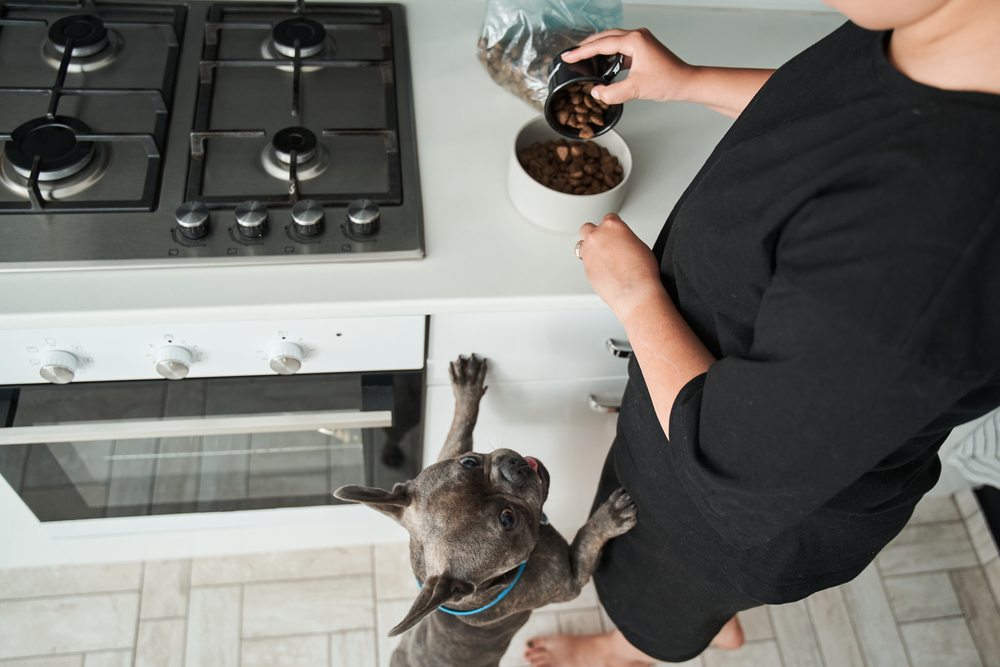
Many people ask, How much food should my dog eat?
The truth is that there is no single answer.
Even two dogs of the same breed can have different nutritional needs. One may spend hours running in the park every day, while the other enjoys relaxing indoors. One may be a growing puppy, while the other is a senior dog.
Every dog is unique.
Their daily food requirements depend on several factors, including:
- Age
- Weight
- Breed
- Activity level
- Overall health
- Metabolism
- Lifestyle
This is why copying another pet owner’s feeding routine may not be the best choice for your dog.
Instead of guessing, it is much more helpful to estimate your dog’s needs using a reliable tool.
How a Dog Nutrition Calculator Makes Feeding Easier
Trying to decide how much food belongs in your dog’s bowl every day can feel overwhelming.
A dog nutrition calculator gives you a helpful starting point by estimating your dog’s nutritional needs based on important information such as:
- Age
- Weight
- Activity level
- Health concerns
The Secure a Pet RX Pet Nutrition Calculator is designed to make this process simple for pet owners.
Rather than relying on guesswork, you can receive an estimate that helps you better understand your dog’s daily nutritional requirements.
Whether you have a playful puppy, an active adult dog, or a senior companion, the calculator helps you make more informed feeding decisions.
You can try the Pet Nutrition Calculator.
Remember that every calculator provides an estimate. If your dog has a medical condition, special dietary needs, or unexpected weight changes, always seek advice from your veterinarian.
The American Veterinary Medical Association (AVMA) also recommends working with your veterinarian to ensure your dog receives balanced nutrition throughout every stage of life.
Sample Dog Feeding Chart
The table below provides a general example of daily feeding amounts. Actual requirements vary depending on your dog’s food, calorie content, activity level, and health.
| Dog Weight | General Feeding Amount |
|---|---|
| 2 to 5 kg | About one-quarter to three-quarters cup per day |
| 5 to 10 kg | About three-quarters to one and one-half cups per day |
| 10 to 20 kg | About one and one-half to two and one-half cups per day |
| 20 to 30 kg | About two and one-half to three and one-half cups per day |
| Over 30 kg | Varies based on activity and calorie needs |
This chart is only a general guide.
Using a dog nutrition guide together with a nutrition calculator provides a more personalized estimate than relying only on weight.
Dog Calorie Needs Change Throughout Life
Your dog’s calorie needs are not fixed forever.
As your dog grows and experiences different stages of life, their nutritional requirements change.
Puppies need more calories to support healthy growth and development.
Adult dogs need balanced nutrition to maintain their weight and energy.
Senior dogs often benefit from fewer calories while still receiving high-quality nutrients that support healthy joints, immunity, and overall wellbeing.
Changes in exercise, pregnancy, illness, recovery, or seasonal activity can also affect daily calorie needs.
Reviewing your dog’s feeding routine every few months helps ensure they continue receiving the right amount of food.
A healthy diet, regular exercise, fresh water, and high-quality nutritional support all work together to help your dog enjoy a long and active life.
Conclusion
Knowing how much you should feed your dog is an important part of keeping your furry friend healthy and happy. Since every dog has different nutritional needs, using the Secure a Pet RX Pet Nutrition Calculator can help you make more informed feeding decisions. Pair the right amount of food with quality nutrition, regular exercise, and routine veterinary care to give your dog the best chance at a long, healthy, and active life.
Frequently Asked Questions
How much should I feed my dog?
The right amount depends on your dog’s age, weight, activity level, and overall health. Use the Secure a Pet RX Pet Nutrition Calculator to estimate your dog’s daily nutritional needs.
How often should I feed my dog?
Most adult dogs do well with two meals a day, while puppies usually need three to four smaller meals. Your veterinarian can recommend the best feeding schedule for your dog.
Can I use a dog nutrition calculator?
Yes. A dog nutrition calculator provides a helpful estimate based on your dog’s weight, age, activity level, and health concerns. It is a useful guide but should not replace veterinary advice.
What are the signs of overfeeding?
Common signs include weight gain, low energy, difficulty feeling your dog’s ribs, and reduced activity. Feeding the correct amount helps maintain a healthy weight.
Does my dog’s activity level affect how much food they need?
Yes. Active dogs usually need more calories than less active dogs. Adjusting food portions based on activity helps support a healthy body condition.