
As a pet owner, you’re likely always on the lookout for ways to improve your furry friend’s health and wellbeing. One increasingly popular option is science-backed pet supplements. But what exactly are these supplements, and do they really work?
Science-backed pet supplements are products that have been formulated based on the latest research and scientific findings. They’re designed to support various aspects of your pet’s health, from joint health to digestive wellbeing.
Key Takeaways
- Understanding the concept of science-backed pet supplements
- Recognizing the growing importance of these supplements in pet care
- Identifying the potential benefits of science-backed supplements for pets
- Learning how to choose the right supplement for your pet
- Understanding the role of research in developing effective pet supplements
The Growing Need for Pet Supplements
Pets today face a myriad of health challenges that necessitate a more comprehensive approach to their wellbeing. As a result, pet owners are increasingly turning to supplements to support their pets’ health.
Modern Pet Health Challenges
Modern pets encounter various health issues due to factors such as diet, lifestyle, and environmental conditions. For instance, the rise in obesity and related conditions has become a significant concern. Proven pet health supplements can play a crucial role in addressing these challenges.
Why Nutrition Alone May Not Be Enough
While a balanced diet is fundamental to pet health, it may not always provide all the necessary nutrients. Factors like soil depletion, food processing, and the pet’s individual health needs can create nutritional gaps. Supplements can help fill these gaps, ensuring pets receive optimal nutrition. The question remains, do pet supplements really work? Research suggests that when chosen correctly, supplements can be highly effective.
By understanding the limitations of regular nutrition and the potential benefits of supplements, pet owners can make informed decisions about their pets’ health.
What Are Science Backed Pet Supplements?
As the pet supplement market grows, the distinction between regular and science-backed supplements becomes more critical. Science-backed pet supplements are formulated based on rigorous scientific research, ensuring their safety and efficacy.
Definition and Key Characteristics
Science-backed pet supplements are defined by their reliance on clinical evidence and adherence to strict ingredient verification standards. These supplements are designed to address specific health needs in pets, backed by research.
The Difference Between Regular and Evidence-Based Supplements
Unlike regular supplements, evidence-based pet supplements undergo clinical testing to verify their claims. This testing is crucial for ensuring that the supplements are both safe and effective.
Clinical Testing Requirements
Clinical testing for pet supplements involves studies that assess their impact on pet health. These studies are typically conducted under controlled conditions to ensure reliability.
Ingredient Verification Standards
Ingredient verification is another critical aspect, ensuring that the components used are of high quality and purity. This involves rigorous testing and certification processes.
| Characteristics | Regular Supplements | Science-Backed Supplements |
|---|---|---|
| Clinical Testing | No | Yes |
| Ingredient Verification | Variable | Yes |
| Research Backing | No | Yes |
In conclusion, science-backed pet supplements offer a more reliable option for pet owners seeking to improve their pets’ health, backed by clinical research and strict quality control.
Common Types of Pet Supplements in Today’s Market
With the growing awareness of pet health, the market has seen an influx of supplements designed to address various health concerns in pets. These supplements range from supporting joint health to enhancing skin and coat condition.
Joint and Mobility Formulations
Joint and mobility supplements for pets are among the most popular, often containing ingredients like glucosamine and chondroitin to support joint health and reduce arthritis symptoms.
Skin and Coat Health Products
Skin and coat health products typically include omega-3 fatty acids, which are known for their anti-inflammatory properties and ability to improve coat shine and reduce shedding.
Digestive and Gut Health Solutions
Digestive health supplements often contain probiotics, which help maintain a healthy gut microbiome, supporting overall digestive health and immune function.
Immune System Support
Immune support for dogs and cats is another key area, with supplements containing antioxidants like vitamin E and beta-carotene to help protect against oxidative stress.
Calming and Behavioral Supplements
Calming supplements, often containing natural ingredients like chamomile or L-theanine, are used to help reduce stress and anxiety in pets.
| Supplement Type | Key Ingredients | Benefits |
|---|---|---|
| Joint and Mobility | Glucosamine, Chondroitin | Reduces arthritis symptoms, improves joint health |
| Skin and Coat | Omega-3 Fatty Acids | Improves coat shine, reduces shedding |
| Digestive Health | Probiotics | Supports gut health, immune function |
| Immune System | Antioxidants (Vitamin E, Beta-carotene) | Protects against oxidative stress |
The Scientific Research Behind Pet Supplements
As pet owners seek to improve their pets’ health, understanding the scientific research behind pet supplements is crucial. The growing interest in pet supplements has led to an increase in scientific studies examining their efficacy and safety.
Overview of Current Studies
Current studies on pet supplements cover a wide range of topics, from joint health to digestive issues. Researchers are investigating various ingredients, such as glucosamine and probiotics, to determine their effectiveness.
Research Limitations and Challenges
Despite the progress, there are significant challenges in pet supplement research. One major issue is the variability in product quality and the lack of standardization, making it difficult to compare results across studies.
Promising Areas of Evidence
Some areas show promising evidence. For instance, research on joint health and digestive health has yielded positive results.
Joint Health Research
Studies have shown that certain supplements, such as glucosamine and chondroitin, can improve joint health in pets. These ingredients have been found to reduce pain and improve mobility.
Digestive Health Studies
Probiotics and prebiotics have been researched for their benefits in maintaining a healthy gut microbiome. The evidence suggests that these supplements can improve digestive health and boost the immune system.
| Supplement Type | Key Ingredients | Health Benefits |
|---|---|---|
| Joint Supplements | Glucosamine, Chondroitin | Improved joint health, reduced pain |
| Digestive Supplements | Probiotics, Prebiotics | Improved gut health, immune system support |
In conclusion, while there are challenges in the field, the scientific research behind pet supplements is yielding valuable insights into their potential benefits. Pet owners should consult with their veterinarians to make informed decisions.
Most Effective Science Backed Ingredients for Pets
When it comes to selecting the right pet supplements, it’s crucial to understand the science-backed ingredients that can make a real difference in your pet’s health. The effectiveness of these supplements largely depends on their formulation, and certain ingredients have been proven to offer significant benefits.
Glucosamine and Chondroitin for Mobility
Glucosamine and chondroitin are two of the most well-studied ingredients in joint supplements for pets. They work synergistically to support joint health and mobility. Glucosamine helps maintain the health of the joint lining, while chondroitin inhibits enzymes that break down cartilage.
Omega-3 Fatty Acids for Multiple Benefits
Omega-3 fatty acids, particularly EPA and DHA, are known for their anti-inflammatory properties and are beneficial for pets with skin allergies, arthritis, or heart conditions. They support skin and coat health, reduce inflammation, and promote heart health.
Probiotics for Gut Health
Probiotics are live bacteria and yeasts that are beneficial for gut health. They help maintain a healthy gut microbiome, support the immune system, and can alleviate symptoms of digestive disorders.
Antioxidants for Immune Function
Antioxidants play a crucial role in protecting cells from damage caused by free radicals, thereby supporting the immune system. Common antioxidants used in pet supplements include:
Green Tea Extract
Green tea extract is rich in catechins, which have been shown to have antioxidant and anti-inflammatory properties.
Vitamin E and C
Vitamin E and Vitamin C are well-known antioxidants that help protect cells from oxidative stress and support overall health.
| Ingredient | Benefits | Recommended For |
|---|---|---|
| Glucosamine and Chondroitin | Supports joint health and mobility | Pets with arthritis or joint issues |
| Omega-3 Fatty Acids | Reduces inflammation, supports skin and heart health | Pets with skin allergies, arthritis, or heart conditions |
| Probiotics | Supports gut health and immune system | Pets with digestive issues |
| Antioxidants (Green Tea Extract, Vitamin E & C) | Protects cells from damage, supports immune function | All pets, especially seniors or those with chronic conditions |
When choosing a pet supplement, it’s essential to look for products containing these science-backed ingredients to ensure you’re providing your pet with the best possible support for their health.
Species-Specific Considerations for Supplements
The effectiveness of pet supplements largely depends on understanding the specific needs of your pet’s species. Different pets have varying nutritional requirements and health concerns, making it crucial to choose supplements that cater to these unique needs.
Dog-Specific Supplement Needs
Dogs, particularly larger breeds, are prone to joint issues, making supplements like glucosamine and chondroitin beneficial. According to a study published in the Journal of the American Veterinary Medical Association, such supplements can significantly improve joint health in dogs (1). Omega-3 fatty acids are also recommended for their anti-inflammatory properties.
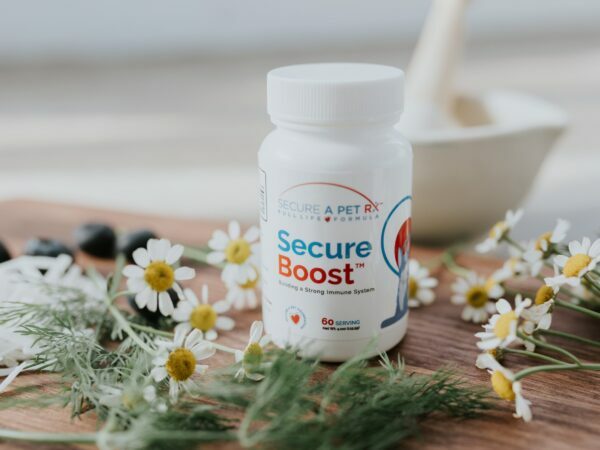
Cat-Specific Supplement Considerations
Cats have different supplement needs compared to dogs. They require higher amounts of certain nutrients like taurine for heart health. Supplements that support urinary health are also common, as cats are prone to urinary tract issues.
“The key to effective supplementation is understanding the species-specific needs of your pet. For cats, it’s about supporting their unique nutritional requirements.” – Dr. Jane Smith, Veterinarian
Small Pets and Exotic Animals
For small pets and exotic animals, the supplement landscape is less defined. However, veterinarians often recommend probiotics to support gut health. It’s essential to consult with a vet before giving any supplements to these pets, as their nutritional needs can be quite specific.
| Pet Type | Common Supplement Needs | Vet-Recommended Supplements |
|---|---|---|
| Dogs | Joint support, Omega-3 fatty acids | Glucosamine, Chondroitin |
| Cats | Taurine, Urinary health support | Taurine supplements, Urinary tract health formulas |
| Small/Exotic Pets | Gut health support | Probiotics |
Vet-guided pet supplements are crucial in ensuring that your pet receives the most appropriate and effective supplementation. Always consult with your veterinarian to determine the best course of action for your pet’s health.
Age-Related Supplement Needs for Pets
Understanding the age-related supplement needs of pets is essential for maintaining their overall health and wellbeing. As pets grow and age, their nutritional requirements change, making it crucial to tailor supplement choices to their life stage.
Puppy and Kitten Supplements
Puppies and kittens have different nutritional needs compared to adult pets. They require supplements that support their rapid growth and development. Omega-3 fatty acids and probiotics are particularly beneficial for young pets, supporting brain development and digestive health.
Adult Pet Maintenance Formulas
Adult pets require maintenance supplements to keep their health in check. These formulas often include ingredients like antioxidants to support overall health and omega-3 fatty acids for skin and coat health.
Senior Pet Support Supplements
Senior pets benefit from supplements that address age-related issues. Two key areas of focus are cognitive function and joint health.
Cognitive Function Support
Supplements containing antioxidants and omega-3 fatty acids can help support cognitive function in aging pets.
Joint and Mobility for Aging Pets
Glucosamine and chondroitin are commonly used to support joint health in senior pets, improving mobility and reducing pain.
| Life Stage | Supplement Needs | Key Ingredients |
|---|---|---|
| Puppy/Kitten | Growth and Development | Omega-3, Probiotics |
| Adult | Maintenance | Antioxidants, Omega-3 |
| Senior | Cognitive and Joint Health | Antioxidants, Omega-3, Glucosamine, Chondroitin |
Veterinarian Perspectives on Science Backed Pet Supplements
As pet owners seek more holistic approaches to pet care, veterinarians are turning to clinically studied pet supplements to support various aspects of pet health. These supplements, backed by scientific research, offer a promising avenue for enhancing pet well-being.
When Vets Recommend Supplements
Veterinarians typically recommend supplements when a pet’s diet is lacking in certain nutrients or when specific health conditions need to be addressed. For instance, joint supplements are often suggested for older pets suffering from arthritis. The key is to identify the nutritional gaps and health challenges that supplements can effectively mitigate.
Integrating Supplements with Traditional Treatments
Vets often integrate vet-guided pet supplements with traditional treatments to provide comprehensive care. For example, omega-3 fatty acids may be recommended alongside medication for heart health. This integrated approach ensures that pets receive the full spectrum of care needed for optimal health.
Red Flags Veterinarians Warn About
Veterinarians caution against certain red flags when it comes to pet supplements, including:
- Unsubstantiated claims about product efficacy
- Lack of third-party testing or certification
- Presence of harmful ingredients or contaminants
Being aware of these red flags can help pet owners make informed decisions about the supplements they choose.
By understanding veterinarian perspectives on science-backed pet supplements, pet owners can better navigate the complex landscape of pet care and make choices that are in the best interest of their pets’ health.
How to Evaluate and Choose Quality Pet Supplements
With numerous pet supplements available, evaluating their quality is crucial for your pet’s health. As a pet owner, you’re faced with a myriad of choices, making it challenging to determine which supplements are truly beneficial.
Reading and Understanding Labels
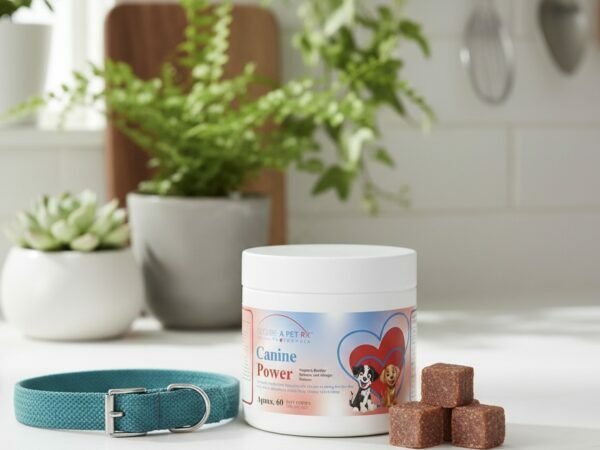
The first step in choosing a quality pet supplement is to read and understand the label. Look for clear information about the ingredients, their amounts, and the manufacturer’s contact details. Ensure the label specifies the species and life stage it’s intended for, as some ingredients safe for dogs may be toxic to cats, and vice versa.
Third-Party Testing and Certifications
Third-party testing is a critical factor in verifying the quality of pet supplements. Organizations like the National Animal Supplement Council (NASC) provide a seal of approval for products that meet certain standards. Look for products that have undergone rigorous testing for purity and potency.
Manufacturing Standards to Look For
Manufacturing standards play a significant role in the quality of the final product. Two important certifications to look for are:
GMP Certification
Good Manufacturing Practice (GMP) certification ensures that the product is manufactured in a facility that adheres to strict guidelines regarding cleanliness, equipment, and production processes.
NASC Seal
The NASC seal is another indicator of a product’s quality, signifying that it has met the NASC’s standards for safety and efficacy.
By paying attention to these factors—label transparency, third-party testing, and adherence to manufacturing standards—you can make an informed decision when choosing a pet supplement. Always consult with your veterinarian before adding any new supplement to your pet’s regimen.
Administering Supplements: Best Practices for Pet Owners
The key to successfully administering supplements to your pet lies in understanding the best practices and implementing them consistently. Administering safe daily pet supplements can significantly enhance your pet’s health, but it requires careful consideration.
Proper Dosing Guidelines
To ensure the effectiveness of the supplement, it’s crucial to follow the recommended dosage. Overdosing or underdosing can lead to ineffective results or adverse reactions. Always consult with your veterinarian to determine the correct dosage for your pet.
Administration Methods That Work
Different pets respond better to different administration methods. Some common methods include mixing the supplement with their food, using treats that contain the supplement, or administering it directly. Be patient and find what works best for your pet.
Monitoring Your Pet’s Response
Keep a close eye on your pet’s response to the supplement. Monitor for any changes, whether positive or negative, and report back to your veterinarian. This feedback loop is crucial for adjusting the supplement regimen as needed.
Establishing a Supplement Routine
Consistency is key when administering supplements. Establish a routine that fits into your daily schedule to ensure that your pet receives their supplement at the same time every day. This helps in maintaining their health and maximizing the supplement’s effectiveness.
By following these best practices for administering pet supplements, you can help ensure that your pet derives the maximum benefit from their supplements, leading to a healthier, happier life.
Potential Risks and Side Effects to Consider
Understanding the risks and side effects of pet supplements is essential for responsible pet care. While supplements can offer numerous benefits, they can also pose risks if not used properly.
Common Adverse Reactions
Some pets may experience adverse reactions to supplements, ranging from mild gastrointestinal upset to more severe allergic reactions. Monitoring your pet’s behavior and health after introducing a new supplement is crucial.
Interactions with Medications
Supplements can interact with prescription medications, potentially leading to adverse effects. For example, certain supplements may enhance the effects of blood thinners or interact with diabetes medications.
| Supplement Type | Potential Interaction | Precaution |
|---|---|---|
| Omega-3 Fatty Acids | Blood Thinners | Monitor blood clotting |
| Probiotics | Immunosuppressants | Consult vet before use |
When to Discontinue Use
If your pet shows signs of an adverse reaction, such as vomiting, diarrhea, or lethargy, discontinue the supplement immediately and consult your veterinarian.
Consulting Your Vet About Side Effects
It’s always best to consult with your veterinarian before starting any supplement regimen. They can help you weigh the potential benefits against the risks and monitor your pet for any adverse effects. As Dr. Jane Smith, a veterinarian, notes,
“Veterinarians play a crucial role in guiding pet owners through the process of safely integrating supplements into their pet’s health plan.”
By being informed and working closely with your veterinarian, you can minimize the risks associated with pet supplements and ensure the best possible outcome for your pet’s health.
Conclusion: Making Informed Decisions for Your Pet’s Health
As a pet owner, making informed decisions about your pet’s health is crucial. Science-backed pet supplements can play a significant role in supporting your pet’s overall well-being. By understanding the different types of supplements available and the scientific research behind them, you can make informed choices that benefit your pet.
When selecting a supplement, consider your pet’s specific needs, such as joint health or digestive issues. Look for products with science-backed ingredients, like glucosamine and omega-3 fatty acids, that have been shown to be effective. Consult with your veterinarian to determine the best course of action for your pet and to ensure that any supplements won’t interact with medications or exacerbate underlying conditions.
Making informed decisions for your pet’s health involves considering multiple factors, including their age, health status, and lifestyle. By choosing science-backed pet supplements and working closely with your veterinarian, you can help promote your pet’s overall health and well-being.