It can be upsetting when your dog suddenly starts acting differently.
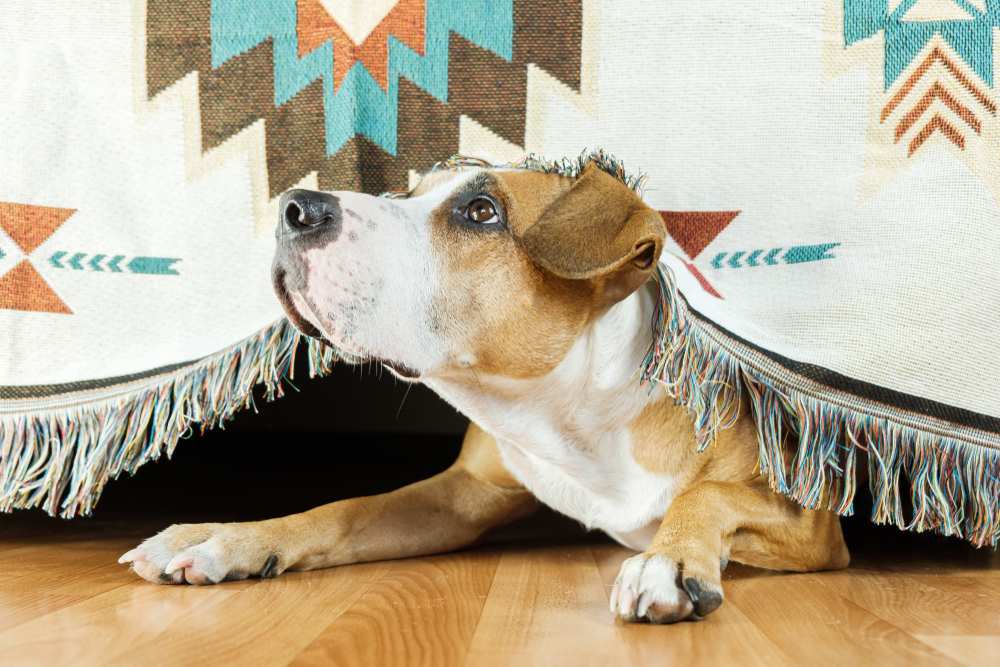
Maybe your normally playful dog has started hiding under the table. Perhaps they pace around the house, follow you everywhere, shake during storms, bark more than usual, or become nervous whenever you leave.
You may find yourself asking, Why Is My Dog So Anxious All of a Sudden?
When you know your dog well, even a small change in their behaviour can feel concerning. You know how they normally act, where they like to sleep, how excited they get when you pick up their leash, and how quickly they usually settle down.
So when that changes, it is natural to worry.
The good news is that sudden anxiety does not always mean something serious. Dogs can become anxious because of changes around them, stressful experiences, separation, loud noises, travel, ageing, or changes in their daily routine. Understanding what may be causing the stress is the first step toward helping your dog feel safe again.
This guide looks at the common signs and causes of anxiety in dogs and explores simple, natural ways you can support their emotional wellbeing.
What Sudden Anxiety Can Look Like in Dogs
Dogs cannot tell us that they are feeling worried. Instead, they communicate through their behaviour and body language.
Some dogs become very obvious when they are stressed. Others show small changes that are easy to overlook.
Signs of anxiety can include:
- Excessive barking or whining
- Pacing around the house
- Trembling or shaking
- Panting when it is not hot
- Hiding or avoiding people
- Following their owner constantly
- Excessive licking
- Restlessness
- Destructive behaviour
- Changes in appetite
- Trying to escape
- Difficulty settling down
- Becoming unusually clingy
One anxious dog may hide while another may become restless and noisy. This is why knowing your dog’s normal personality is so important.
If you notice a sudden and unexplained change, pay attention to when the behaviour started and what was happening around that time.
Why Is My Dog So Anxious All of a Sudden
There is rarely one single reason why a dog becomes anxious.
Sometimes there is an obvious trigger, such as fireworks or a thunderstorm. Other times, the cause may be less obvious.
Here are some common possibilities.
Changes at Home
Dogs often feel more comfortable when their surroundings and routines are predictable.
Moving house, getting new furniture, having visitors, bringing another pet home, or changing your daily schedule can make some dogs feel unsettled.
Even changes that seem small to you can feel very different to your dog.
Giving your dog time to adjust and keeping their daily routine as consistent as possible can help.
Separation From Their Owner
Some dogs become particularly anxious when they are left alone.
You may notice barking, whining, pacing, destructive behaviour, or attempts to escape shortly after leaving.
Separation-related anxiety can be especially difficult for pet owners because you may feel guilty about leaving your dog.
Try to remember that anxiety is not bad behaviour done deliberately. Your dog may genuinely be struggling to cope with being alone.
A predictable routine, gradual alone time, enrichment activities, and a comfortable resting area may help.
Thunderstorms and Fireworks
Loud and unpredictable sounds can be frightening for many dogs.
Thunderstorms are particularly difficult because your dog may hear thunder long before you notice it. Fireworks can also create sudden loud sounds that dogs cannot understand.
If your dog becomes nervous during these events, prepare a quiet and comfortable space before the noise begins.
Close windows and curtains, reduce outside noise where possible, and stay calm yourself. Your dog may take reassurance from your relaxed behaviour.
Travel and Unfamiliar Places
Some dogs become nervous when travelling in a car, staying somewhere unfamiliar, or being surrounded by new people and smells.
Even a simple trip to the veterinarian or groomer can cause anxiety.
If travel makes your dog nervous, short and positive experiences may help them become more comfortable over time.
Do not force your dog through situations that clearly frighten them. Give them time and use calm, positive encouragement.
Could Ageing Change Your Dog’s Behaviour
As dogs get older, their behaviour can change.
An older dog may become less comfortable with unfamiliar environments, experience changes in their normal routines, or become more unsettled at certain times of the day.
Sometimes a change in behaviour can also be connected to an underlying health issue.
This is why sudden anxiety in an older dog deserves attention rather than simply being dismissed as part of ageing.
If your senior dog suddenly becomes fearful, confused, restless, or unusually withdrawn, speak with your veterinarian.
Do Not Ignore Sudden Behaviour Changes
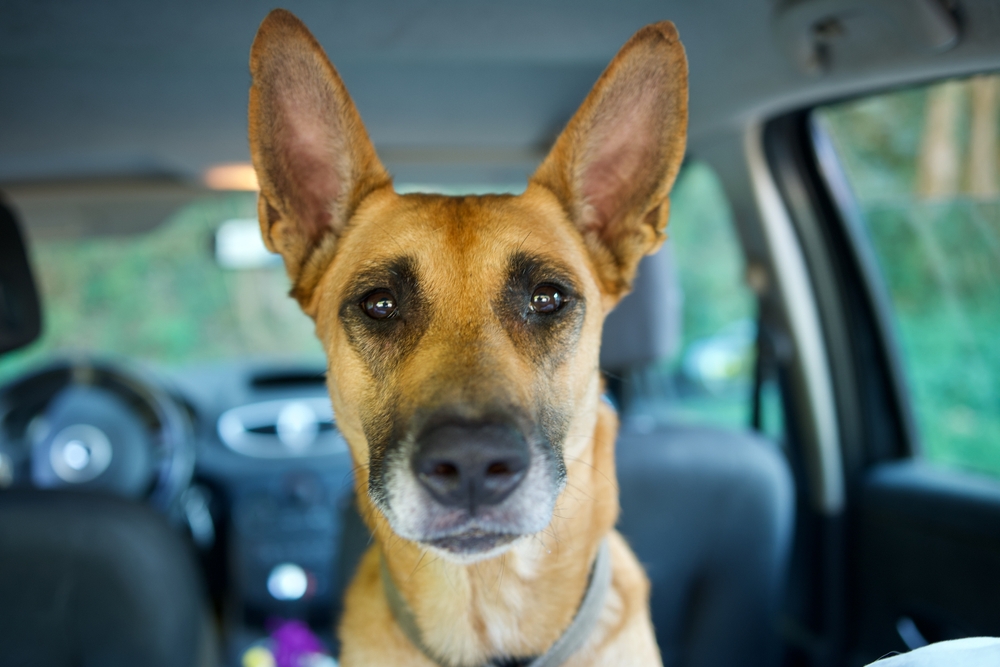
One of the most important things a dog owner can do is pay attention to sudden changes.
If your dog was previously relaxed and suddenly becomes extremely anxious without an obvious trigger, there may be a reason that needs professional attention.
Anxiety can sometimes appear alongside other changes such as reduced appetite, unusual tiredness, changes in bathroom habits, pain, or changes in sleep.
A veterinarian can help determine whether there is an underlying health concern and recommend appropriate support.
Natural calming products can be useful as part of a broader wellness routine, but they should not replace veterinary care.
How to Help an Anxious Dog Feel Safer
You do not always need a complicated solution to support your dog’s emotional wellbeing.
Small changes at home can make a meaningful difference.
Create a Safe Space
Give your dog a comfortable place where they can retreat when they feel overwhelmed.
This could be their bed, crate, a quiet room, or another familiar area.
Keep their favourite blanket or toy nearby if these items help them feel comfortable.
The goal is to give your dog a place where they can relax without being disturbed.
Keep a Consistent Routine
Dogs often feel more secure when they know what to expect.
Try to keep feeding, walks, playtime, and bedtime around similar times each day.
A consistent routine can help reduce uncertainty and make daily life feel more predictable.
Provide Regular Exercise
Physical activity can support both physical and emotional wellbeing.
Daily walks, play sessions, sniffing activities, and age-appropriate exercise give your dog opportunities to use their body and mind.
Mental stimulation is also important.
Puzzle toys, scent games, training sessions, and interactive play can provide healthy mental engagement.
Give Your Dog Calm Attention
When your dog is anxious, frustration can make the situation worse.
Avoid shouting or punishing your dog for behaviours caused by fear.
Instead, stay patient and use a calm voice.
Your dog may need time to settle, especially when dealing with a strong trigger.
Natural Support for an Anxious Dog
Many pet owners want to know whether there are natural ways to support their dog’s emotional wellbeing.
A healthy foundation should always come first.
Balanced nutrition, regular activity, adequate rest, mental stimulation, a predictable routine, and a safe home environment all contribute to your dog’s overall wellness.
For some dogs, natural calming supplements can provide additional support alongside these habits.
The important thing is to choose products carefully and understand what they contain.
Calm & Comfort™ for Everyday Stress Support

For dog owners looking for additional natural calming support, Calm & Comfort™ from Secure a Pet RX™ is designed to support relaxation and emotional balance.
The soft chews contain a combination of Taurine, Inositol, L Theanine, Thiamine, and Lemon Balm.
Each ingredient is included to provide nutritional support for areas such as relaxation, nervous system function, focus, and a healthy stress response.
The formula is also designed to be non-sedating, meaning the goal is to support a calmer state without making your dog unnecessarily sleepy.
This can be particularly useful for owners who want to support their dog during situations that commonly cause nervousness.
You can learn more about Calm & Comfort™ Calming & Stress Support and its ingredients, directions, and precautions.
When Can Calming Chews Be Useful
Every dog is different, but some situations commonly cause stress.
Calm & Comfort™ is designed for daily or situational use and can be given before events that may make your dog nervous.
These may include:
- Thunderstorms
- Fireworks
- Travel
- Grooming appointments
- Veterinary visits
- Being home alone
- Unfamiliar environments
- Other everyday stressful situations
The product directions recommend giving the chews 30 to 60 minutes before a stressful event.
Always follow the product directions and speak with your veterinarian before introducing a new supplement, particularly if your dog has an existing medical condition or takes medication.
Support Your Dog Beyond the Difficult Moments
It can be tempting to focus only on calming your dog when something stressful happens.
However, everyday wellness matters too.
A dog who receives regular exercise, healthy nutrition, mental stimulation, quality rest, and plenty of positive interaction has a strong foundation for overall wellbeing.
Think about your dog’s entire day.
Did they get enough movement?
Did they have time to sniff and explore?
Did they get enough sleep?
Did they have a quiet place to rest?
Did they spend positive time with you?
These small moments can add up.
You can also explore more practical pet wellness information through the Secure a Pet RX™ Health Tips section.
When You Should Speak With Your Veterinarian
Sometimes anxiety is temporary and connected to an obvious event.
But there are situations where professional advice is important.
Contact your veterinarian if your dog’s anxiety:
- Appears suddenly without an obvious reason
- Becomes severe or continues for a long time
- Is affecting eating or sleeping
- Is accompanied by unusual physical symptoms
- Leads to dangerous escape attempts
- Causes aggressive behaviour
- Appears alongside signs of pain or illness
- Is getting progressively worse
Your veterinarian can help identify possible causes and determine what type of support your dog needs.
This is particularly important when the behaviour change is sudden.
For additional reliable information about dog behaviour and responsible pet care, the RSPCA provides educational resources for dog owners.
Every Anxious Dog Needs Patience
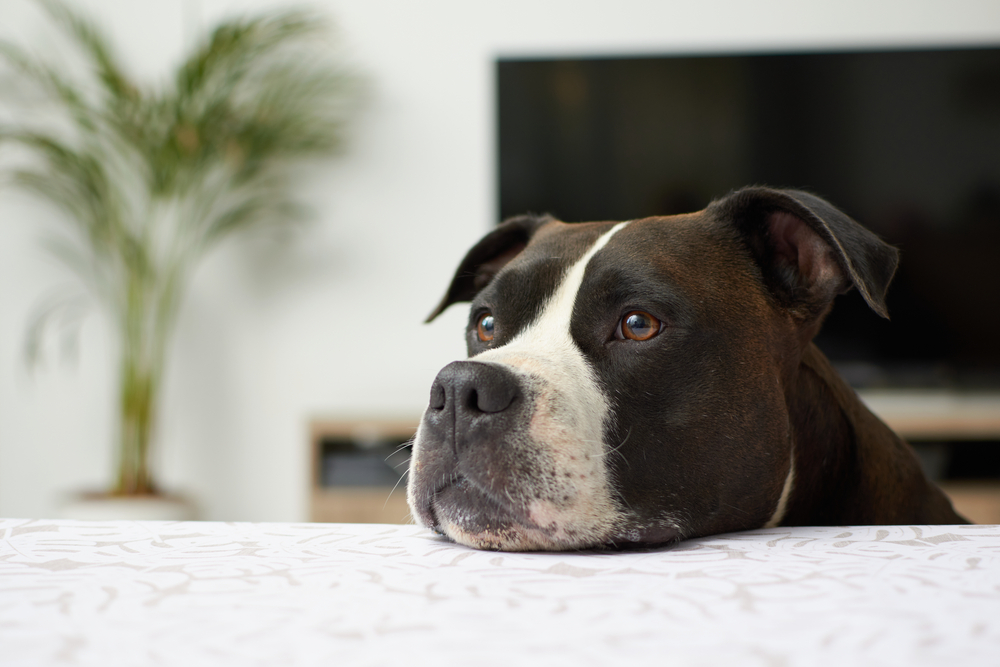
When you are asking, Why Is My Dog So Anxious All of a Sudden, it is easy to feel confused or even frustrated.
You may wonder why your dog suddenly cannot relax when nothing seems different to you.
Try to look at the world from your dog’s perspective.
A sound that seems harmless to you may be frightening to them. A change in routine may feel confusing. Being left alone may feel overwhelming. A new environment may take time to understand.
Your dog is not trying to make your life difficult.
They may simply be telling you that they need help feeling safe.
Patience, consistency, understanding, and positive support can make a big difference.
Final Thoughts
Understanding Why Is My Dog So Anxious All of a Sudden starts with paying attention to the changes your dog is experiencing.
Look for patterns. Think about recent changes at home. Notice what happens before the anxious behaviour begins. Give your dog a safe environment, regular exercise, mental stimulation, proper nutrition, and a predictable routine.
If your dog needs additional support, a product such as Calm & Comfort™ can complement these healthy habits by providing nutritional support for relaxation and emotional balance.
Most importantly, remember that you do not have to figure everything out in one day.
Your dog needs your patience, your attention, and your understanding.
Sometimes the smallest things matter most: a quiet place to rest, a familiar routine, a gentle walk, a favourite toy, or simply sitting beside them when they are afraid.
Those everyday moments can help your dog feel safe, loved, and supported. And that is one of the most valuable things you can give them.
FAQs
Why Is My Dog So Anxious All of a Sudden?
Sudden anxiety can happen because of changes at home, loud noises, separation, travel, unfamiliar situations, ageing, or other stressful experiences. A sudden unexplained change should also be discussed with a veterinarian.
What are the signs of anxiety in dogs?
Common signs include pacing, panting, shaking, hiding, whining, excessive barking, destructive behaviour, clinginess, excessive licking, restlessness, and changes in appetite.
Can a dog suddenly develop anxiety?
Yes. Dogs can develop anxiety after a stressful experience, a change in their environment, a change in routine, separation, loud noises, or as they get older. Sudden behaviour changes should not be ignored.
How can I calm my anxious dog naturally?
You can support your dog by providing a quiet, safe space, keeping a consistent routine, offering regular exercise and mental stimulation, reducing known stress triggers, and providing calm reassurance. Natural calming supplements may also provide additional support.
What can cause sudden anxiety in an older dog?
Age related changes, changes in routine, unfamiliar environments, or underlying health concerns can sometimes contribute to anxiety in older dogs. Speak with your veterinarian if an older dog suddenly becomes anxious or confused.
Can calming chews help an anxious dog?
Calming chews can provide nutritional support for relaxation and emotional balance. Calm & Comfort™ contains ingredients including L Theanine, Lemon Balm, Taurine, Inositol, and Thiamine and is designed for daily or situational calming support.
How long before a stressful event should I give my dog calming chews?
According to the Calm & Comfort™ product directions, the chews can be given 30 to 60 minutes before a stressful event. Always follow the product instructions and consult your veterinarian when appropriate.
When should I take my anxious dog to the veterinarian?
Speak with your veterinarian when anxiety appears suddenly without an obvious reason, becomes severe or persistent, affects eating or sleeping, causes dangerous behaviour, or occurs alongside other unusual physical or behavioural changes.
Can exercise help an anxious dog?
Regular, age-appropriate exercise can support physical and emotional wellbeing. Walks, play, sniffing activities, and mental enrichment can help provide healthy stimulation and support a predictable daily routine.
Is natural support a replacement for veterinary care?
No. Natural support and calming supplements should complement responsible pet care rather than replace veterinary treatment. A veterinarian should evaluate sudden, severe, or persistent anxiety.